
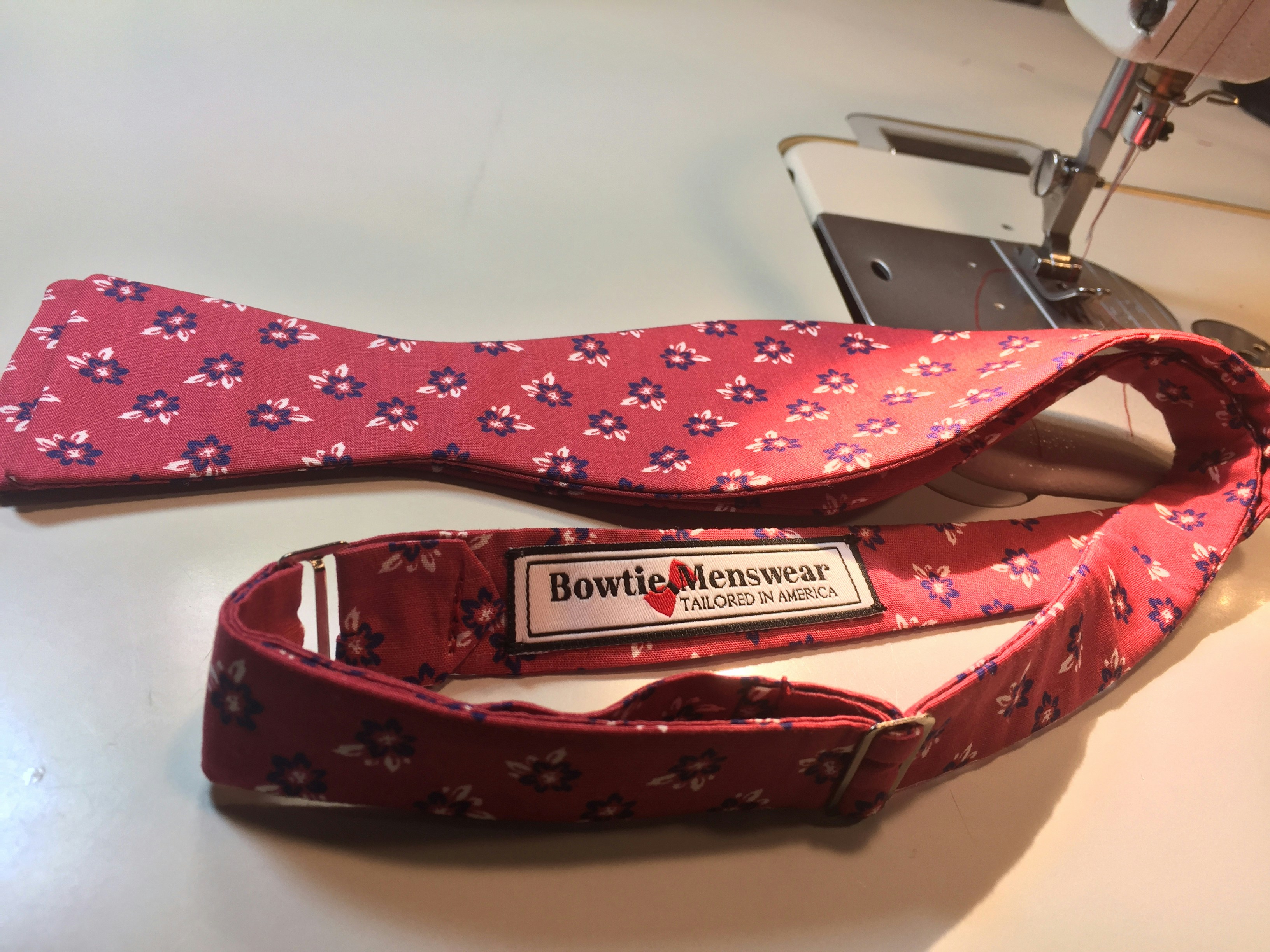
A tie is worth choosing when it looks balanced, feels comfortable, and suits the way it will be worn. Start with width and length. The tie’s widest point should generally be close to the width of the jacket’s lapel, creating a considered proportion rather than making either element dominate. Its tip should usually reach the middle of the belt buckle when tied. These guidelines provide a useful starting point, not rigid rules: a wearer’s height, build, preferred knot, and clothing style can all affect what looks right. A tie that hangs too short or overwhelms a narrow frame may distract from an otherwise polished outfit.
Fabric and construction also influence how a tie performs over time. Silk is a familiar choice for its smooth finish and natural drape, while wool, cotton, and linen can offer texture and a more relaxed character. Consider the season, the formality of the event, and how the material coordinates with the rest of the wardrobe. Inspect the stitching, lining, and shape: secure construction helps a tie hold a clean knot, lie flat, and recover after being untied. Quality need not mean the most expensive option, but a flimsy fabric or poorly finished seams may limit both appearance and useful life.
Versatility matters as much as individual quality. A restrained colour or pattern that works with several shirts and suits may earn more use than a striking design suited to only one outfit. At the same time, the occasion should guide the final choice; a formal ceremony, office meeting, and casual gathering may call for different fabrics, patterns, and levels of contrast. The right decision therefore depends on the wearer’s build, existing wardrobe, budget, and intended setting—not merely on a label or price tag. This guide offers practical criteria for weighing those factors, comparing options, and selecting a tie with confidence.
Fabric shapes a tie’s texture, weight, drape, and level of formality, so the right choice depends on both the occasion and the season. Silk is the most versatile option: its smooth surface and fluid drape pair naturally with business suits, while refined silk weaves also suit weddings and other formal events. Different weaves create different effects. A glossy satin looks dressier, whereas a matte grenadine or twill offers subtle texture for everyday office wear. A well-made silk tie should hang cleanly and recover its shape after being untied.
Wool brings warmth and a softly textured appearance, making it a strong choice for autumn and winter. Its added body works well with heavier suits, flannel, and knitwear, though it may feel too substantial for hot weather or very formal dress codes. Knitted ties, often made from silk, wool, or cotton, have a distinct textured surface and usually a more relaxed character. Their flexible, sometimes squared-off ends complement blazers, button-down shirts, and smart-casual outfits. Wool and knit styles can add visual depth without relying on bold colors or patterns.
Linen and cotton are breathable options for warm-weather dressing. Linen is lightweight and naturally irregular in texture, giving summer suits and lightweight jackets an easy, informal finish. It wrinkles readily, which is part of its relaxed appeal but makes it less suitable when a crisp, polished look is essential. Cotton is generally smoother and more structured than linen, with a casual-to-business-casual feel depending on its weave and finish. It can be a practical choice for spring and summer, especially with lighter fabrics and colors. Across all materials, quality matters: tightly woven fabric, balanced proportions, secure stitching, and a well-constructed lining help a tie drape properly and last through repeated wear. Choose texture and weight to complement the outfit, while letting the event’s formality guide the final decision.
A tie looks most balanced when its width relates to the jacket’s lapels rather than following a fixed rule. As a practical starting point, choose a tie whose widest point is close to the lapel’s widest point. This creates visual continuity between the tie and jacket. A noticeably narrower tie can suit slim lapels and a streamlined outfit, while a broader tie may feel more at home with wider lapels and a fuller-cut suit. The relationship matters more than a particular measurement, and small differences are rarely a problem.
Body proportions also help guide the choice. A broader chest or larger frame may look balanced with a wider tie, while a narrower frame can be complemented by a slimmer one. These are useful guidelines, not requirements: the cut of the suit, the occasion, and personal style all influence the result. If you prefer a contemporary, lean silhouette, a narrower tie may work even with average lapels; a classic or more substantial look may call for added width. Check the whole outfit in a mirror, since the tie should sit naturally between the lapels without appearing either lost or oversized.
Most men’s ties are made in a standard length of about 57 to 58 inches, though extra-long options are commonly available. Height, neck size, and the knot you choose affect how much fabric is used. Taller wearers, larger necks, and fuller knots typically require more length; a slim knot generally uses less. Before tying, position the tie so that the finished wide blade reaches the waistband or belt area. A blade that stops well above it can look too short, while one hanging far below can appear untidy. Adjust the starting position and knot as needed, then check the result while standing naturally. The aim is a proportionate finish that suits your clothing and comfort, not a measurement that must be identical for everyone.
Color and pattern determine whether a tie blends smoothly into an outfit or provides its focal point. Solid ties are the most versatile choice: navy, burgundy, forest green, and muted gray work with many shirts and suits. Choose a shade that complements the shirt while remaining distinct from it; a navy tie against a pale blue shirt, for example, gains definition through its deeper tone. Consider complexion as well. Richer colors can add warmth to a lighter complexion, while softer or cooler shades may sit comfortably alongside deeper skin tones. These are useful starting points, not strict rules.
Patterns add character, but coordination depends on balance. Stripes suit business settings and can introduce color without appearing overly decorative; dots and small geometric motifs offer a subtler alternative. Checks and larger designs tend to feel more relaxed or expressive. When combining patterns, vary their scale: pair a shirt with fine stripes with a tie featuring larger dots, or wear a broad-check shirt with a small, restrained tie pattern. Avoid matching patterns of the same size and spacing, which can compete visually. Keep the palette harmonious by repeating one color across the shirt, tie, or suit.
A tie can also provide contrast, drawing attention without overwhelming the rest of the clothing. With a patterned shirt, a solid tie in a color already present in the fabric creates a composed look. Conversely, a bold striped or printed tie is easier to wear with a plain shirt and a restrained suit, such as a charcoal or navy single-color design. For formal occasions, favor understated patterns and classic colors; social events allow more room for brighter shades and distinctive motifs. When building a wardrobe, choose ties whose colors and patterns coordinate with several shirts and suits, rather than a single outfit. Versatile designs make dressing for different occasions simpler and more consistent.
The formality of an event is the most useful starting point when selecting a tie. A job interview, traditional office, or formal business event generally calls for a restrained choice that supports a polished appearance without drawing attention. Navy, charcoal, burgundy, and muted blue are dependable colors; small dots, subtle stripes, and quiet geometric motifs add interest while remaining professional. Choose a pattern that complements rather than competes with a shirt or suit, and consider the setting: a conservative industry or senior client meeting may favor a solid tie, while a less formal office can allow slightly more variation.
Weddings, receptions, and other celebrations offer room for more refined materials and color. A silk tie has a smooth finish and elegant drape that work well with a suit, while woven textures or tasteful floral and paisley designs can add personality. Coordinate with the event’s palette without matching the wedding party so exactly that the outfit feels like a uniform. For daytime celebrations, lighter shades may feel appropriate; evening events often suit deeper colors and richer textures. The invitation, venue, and season can all help guide the choice, but avoid anything that distracts from the occasion or appears overly casual.
Smart-casual settings allow greater flexibility. Knit ties, wool ties, and expressive patterns can bring texture and character to an outfit worn with a blazer, textured jacket, or open-collar shirt. Select a design that still feels balanced with the rest of your clothing, especially when mixing colors or patterns. A tie may not be necessary at a casual gathering or in a workplace where open collars are standard. However, do not assume that every informal-looking event has relaxed expectations: invitations, workplace guidance, and cultural norms should take priority. When uncertain, check the dress code or ask the host, and choose a more polished option if the setting calls for it.
The four-in-hand is a compact, slightly asymmetrical knot that suits most standard collars and works especially well with thicker ties. Its modest shape is relatively easy to learn, making it a practical choice for everyday wear and less formal occasions. The half-Windsor creates a medium-sized, more balanced triangle with greater symmetry, so it pairs neatly with medium-spread collars and ties of average thickness. The full Windsor is broad, highly symmetrical, and more formal in appearance. It generally suits wide-spread collars, which provide enough space for its substantial knot, but requires more fabric and practice than simpler alternatives. Each knot should sit securely without looking oversized.
Collar spread, tie thickness, and personal proportions all influence which knot looks balanced. A narrow collar can appear crowded by a full Windsor, while a widely spread collar may make a small four-in-hand seem undersized. Thick or heavily textured ties create larger knots, so a simple technique can help prevent excess bulk. Conversely, a thin tie may need a fuller knot to achieve a neat shape. Face and neck proportions matter as well: a broader face or longer neck can accommodate a larger knot, whereas a smaller frame often looks more balanced with a compact one. These are useful guidelines rather than strict rules; the overall effect should feel proportionate and comfortable.
To finish any knot cleanly, center it beneath the collar and tighten it until secure, but not so firmly that it restricts breathing or movement. Before tightening fully, use a fingertip to create a small dimple directly below the knot, then pinch the tie’s sides to hold the fold in place. The dimple adds definition without requiring an elaborate knot. Adjust the collar points so they cover the knot’s upper edges evenly, and check that the tie hangs straight, with its tip near the waistband. A simple knot tied carefully usually looks more polished than a complicated knot that is bulky, uneven, or poorly positioned. Choose the method that complements the tie and collar while maintaining a tidy, natural appearance.
Before choosing a tie, inspect its construction rather than relying on color or pattern alone. Run your fingers along the seams and look for small, even stitches with no loose threads, puckering, or gaps. The fabric should lie smoothly around the blade, and the edges should not curl. Check the keeper loop on the back: it should be firmly attached, neatly aligned, and large enough to hold the narrow end without pulling or distorting the tie. Examine the tip, too. Its point should be cleanly finished, with no exposed lining, fraying, or bulky folds. These details are easy to assess in a shop and can reveal whether the tie is likely to maintain its appearance through regular wear.
Look at the lining and overall balance of the tie. The lining should sit evenly inside the body, without bunching at the tip or showing through the face fabric. Hold the tie by its narrow end and let it hang freely; a quality tie should fall in a straight, relaxed line rather than spiraling, twisting, or folding awkwardly. This simple test can expose uneven cutting or tension in the construction. Then gently fold or roll the tie and release it. It should recover its shape reasonably well after being untied, although recovery varies with fabric, interlining, and how tightly it was stored. A tie that stays sharply creased may be difficult to keep looking polished.
A tie should feel neither limp nor rigid. It should have enough body to form a neat knot, yet remain supple and drape naturally. Compare options, since silk, wool, knitted, and blended ties can behave differently, and construction methods affect lining and recovery. Do not treat one feature as a defect: judge the finish in relation to the material, style, and price, checking that workmanship is consistent.
A useful tie collection begins with versatility, not variety. Before buying, review the suits and shirts already in your wardrobe, noting their colors, patterns, and the occasions for which you wear them. Choose a few solid ties in dependable shades such as navy, burgundy, and dark green. These can complement many business and formal outfits without drawing attention away from the overall look. A restrained pattern, such as small dots, neat stripes, or a subtle geometric design, adds interest while remaining easy to coordinate.
Consider each tie as part of an outfit rather than as a standalone purchase. A tie that works with several shirts and suits is more likely to earn regular use than one that matches only a single combination. Check that its colors complement your clothing and that its pattern does not compete with other patterns nearby. Fabric also matters: a smooth silk tie suits many professional and formal settings, while wool, knit, or textured silk can bring useful variety to less formal outfits. Choose materials and colors that fit your climate and usual dress code.
Once these dependable options are covered, add distinctive colors or seasonal textures according to your lifestyle. A textured wool tie may suit cool-weather events, while lighter fabrics can feel appropriate in warmer months. Prioritize occasions you actually attend, whether that means office meetings, weddings, dinners, or celebrations, instead of buying for hypothetical needs. Cost per wear offers a practical way to assess value: a moderately priced tie worn often may be a better choice than an expensive statement piece that rarely leaves the closet. Building gradually helps create a coordinated collection, reduces impulse purchases, and leaves room for personal style without sacrificing usefulness.
After wearing a tie, untie it completely rather than pulling the narrow end through a tight knot. Loosen the knot gently and reverse the steps used to tie it, allowing the fabric to relax and recover its shape. Yanking or tightening a knot until it is difficult to undo can leave creases, strain the seams, or damage delicate fibers. Never store a tie while it remains knotted: folds can become set over time, and the blade may lose its natural drape. Give the tie time to rest before putting it away, especially after a long day.
For storage, roll a tie loosely from its narrow end and place it in a drawer, or hang it from a dedicated rack with enough space to avoid crushing neighboring ties. Rolling is useful for travel and helps prevent sharp folds; hanging allows wrinkles to ease naturally. Keep ties away from direct sunlight, damp areas, and rough surfaces that may snag or fade the fabric. Always check the care label before cleaning. Silk and other delicate materials may require professional dry cleaning, while washable ties should be cleaned according to the maker’s directions. Avoid applying stain removers, water, or steam without checking suitability, since careless spot treatment and heat can cause rings, color loss, shrinkage, or shine. Blot spills gently and seek appropriate care promptly.
Common buying mistakes include overlooking proportions, choosing a color or pattern that clashes with the shirt, and giving a designer label more weight than fit, fabric, or versatility. It is also easy to buy for an imagined lifestyle rather than the occasions you actually attend. Before choosing, check that the tie’s width suits your build and jacket lapels, its color and pattern coordinate with your shirt and suit, and its material and formality fit the event. Consider whether it will work with items already in your wardrobe and whether you will wear it often. A simple checklist—proportion, coordination, occasion, and practical use—can make selection more deliberate. The best tie is one that looks balanced, complements the outfit, and feels appropriate wherever you plan to wear it.