
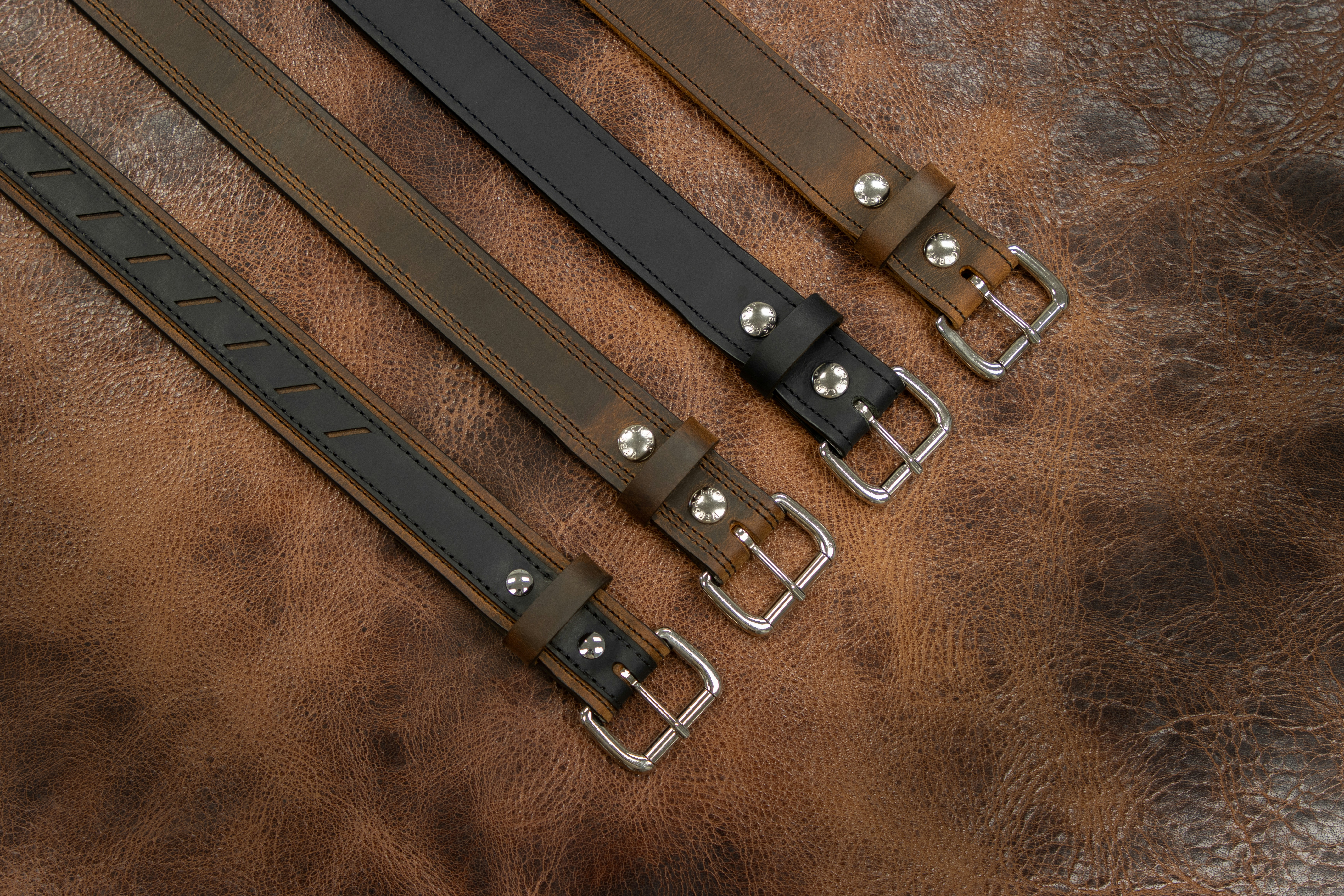
A dependable men’s belt should do more than complement an outfit in a product photo. It needs to hold its shape, fasten securely, and feel comfortable through the situations in which it will be worn. A polished appearance matters, but so do details that are less obvious online: the consistency of the stitching, the strength of the buckle attachment, and whether the material is suited to regular use. These practical qualities help distinguish a lasting purchase from an accessory that looks appealing but quickly disappoints.
Fit is a useful starting point. A belt should close comfortably around the wearer’s waist, with enough adjustment to accommodate different trousers without leaving an unusually long or short tail. Checking the seller’s sizing guidance is important because belt sizes may not match trouser sizes exactly. Material also shapes value and performance. Leather can offer a classic look for work or formal occasions, while woven, synthetic, or fabric belts may be lighter, more flexible, or easier to maintain for casual and outdoor wear. The best option depends on how often the belt will be used and what care the wearer is prepared to provide.
Buckle construction affects both durability and appearance. A firmly attached buckle with smooth edges is more comfortable and less likely to loosen; its size and finish should also suit the wearer’s clothing. Consider whether the belt bends easily without feeling flimsy, and whether its surface is likely to show scratches, cracking, or fading. Comfort matters throughout the day, especially for anyone who sits for long periods or wears a belt regularly. A rigid belt may provide support, but excessive stiffness or a bulky buckle can become distracting.
Finally, match the belt to its intended role and wardrobe. A restrained design in a versatile color may work across office and occasion wear, while a casual belt can be more textured or distinctive. Price and popularity alone cannot establish quality: compare materials, construction, sizing information, care requirements, and customer feedback. The most worthwhile choice is the one that fits well, suits the wearer’s everyday needs, and complements the clothes already in rotation.
An everyday belt should work comfortably across the routines that make up a typical week, from office hours to errands and relaxed social plans. Rather than choosing a belt for one specific outfit, look for a design that complements several kinds of clothing. Black and brown are practical neutral colors because they coordinate with many trousers, shoes, and outer layers. A simple finish and restrained buckle can also make the belt suitable for both business-casual and informal settings without drawing unnecessary attention.
Comfort and reliable construction matter when a belt is worn regularly. Check the strap material, width, and adjustment options in the product description, and compare them with the belt loops on the trousers you wear most often. A strap should hold its shape while allowing comfortable movement throughout the day. The buckle should fasten securely, release without difficulty, and feel proportionate to the strap. Details such as reinforced stitching and a well-finished edge may help indicate whether a belt is designed for repeated use rather than occasional wear.
Before buying, consider how easily the belt will pair with shoes and trousers already in your wardrobe. A brown belt, for example, may suit everyday chinos and brown footwear, while a black option can complement darker trousers and shoes. On Amazon, use product descriptions to confirm dimensions, materials, sizing guidance, and care requirements. Customer photos can show how the color and buckle look outside studio lighting, while reviews may reveal whether the strap stretches, cracks, or loosens after regular wear. Give particular weight to feedback about comfort, fit, and durability over time, not appearance alone. Comparing these practical details can help identify a versatile belt that earns frequent use and suits more than one occasion.
A dress belt should complement formal clothing rather than draw attention away from it. Look for a slimmer profile, typically around 1 to 1.25 inches wide, with a smooth strap that sits neatly through suit-trouser loops. A restrained buckle in a simple rectangular shape usually works best; polished silver or subtle gold finishes can coordinate with other accessories without appearing flashy. Avoid prominent logos, decorative stitching, contrast panels, and oversized hardware, which may seem too casual or visually heavy beside a tailored suit. The goal is a clean, balanced appearance that supports the outfit’s lines.
Color is another important consideration. A black belt is a dependable choice for black dress shoes and suits in charcoal, gray, or other cool, formal shades. Brown belts pair naturally with brown shoes and can add warmth to navy, tan, and earth-toned outfits. When possible, coordinate the belt’s color and finish with your shoes: a glossy belt generally suits polished shoes, while a more muted finish may better match matte leather. Exact color matches are not always necessary, but noticeably different shades or finishes can make an otherwise carefully assembled outfit feel less cohesive.
Before choosing a belt, check its stated width and compare it with the belt loops on the trousers you intend to wear. Loop dimensions vary, so a strap that is too wide may bunch or fail to pass through comfortably, while one that is too narrow can look undersized. An overly wide belt also tends to appear casual, and a large buckle can disrupt the understated proportions expected with formal clothing. Product listings on Amazon often provide width measurements, material details, and close-up photographs; review these alongside customer images to assess the finish and scale. For a versatile wardrobe, consider owning both black and brown options, then select the one that best coordinates with the shoes and clothing for each occasion.
For jeans and chinos, a casual belt can bring texture and personality to an outfit while still keeping trousers comfortably in place. Textured leather is a versatile choice: pebbled, distressed, or lightly grained finishes feel less formal than smooth dress leather but remain durable enough for regular wear. A sturdy everyday leather strap works well when you want a simple option that pairs with several outfits. For a more relaxed look, consider woven webbing or canvas, which can add color and visual interest without feeling overly polished.
Match the belt’s details to the clothes and setting. Brown leather generally complements blue denim, khaki chinos, and earth tones, while black can create a sharper contrast with darker jeans. Webbing and canvas belts offer more room for color, but neutral shades are easiest to wear often. A buckle also affects the impression: a modest, brushed-metal buckle tends to look understated, while a large, shiny, or highly decorative buckle can become the focal point. Choose a design that suits your personal style without competing with the rest of your outfit.
Proportion matters as much as material. A strap around 1.25 to 1.5 inches wide is typically a practical range for casual trousers, though belt loops vary, so check that the strap slides through them easily. Wider belts can look at home with sturdy jeans, but an oversized strap may bunch in narrow loops or appear bulky with lightweight chinos. Likewise, a thick, rigid belt may be uncomfortable if the fabric and loops are relatively slim. When shopping online, review the listed width, thickness, buckle dimensions, and customer photos rather than relying on appearance alone. The right casual belt should sit smoothly through the loops, fasten securely, and feel proportionate to both your trousers and your frame. These details help you find a belt that adds character without sacrificing everyday comfort or practicality.
Material affects a belt’s appearance, comfort, durability, and maintenance, so it is worth comparing options before choosing one for work, formal events, or everyday wear. Leather remains a common choice because it pairs easily with tailored clothing and casual outfits, but the label “leather” does not by itself describe the hide’s grade or how the belt is constructed.
Full-grain leather uses the hide’s outer surface with its natural grain intact. It often develops a distinct patina as it ages, and a well-made belt can remain useful for years with routine care. Keep it dry when possible, wipe away dirt, and use a suitable leather conditioner sparingly if the surface becomes dry. “Genuine leather” is a broad label rather than a guarantee of a particular quality level; products carrying it can vary in finish, thickness, and longevity. Check the listing for more specific material details, and inspect buyer photos or descriptions for signs of stitching, edge finishing, and buckle attachment.
Bonded leather is made from leather fibers or scraps combined with binding materials, while synthetic leather typically uses a plastic-based surface designed to resemble hide. These options can cost less and offer consistent colors, though their appearance and lifespan vary; coatings may crack or peel with repeated bending and wear. They may suit occasional use or shoppers prioritizing price, but compare product details rather than assuming all faux leather performs alike.
Canvas and woven webbing provide lightweight alternatives, especially for casual outfits, travel, and warm-weather use. They are often flexible, easy to adjust, and available in many colors, though they generally look less formal than leather and can show fraying or stains over time. Metal hardware also affects overall durability, so review the buckle material and how securely it is attached. Before ordering, read the full product description for material composition, lining, stitching, and construction. Clear specifications help set realistic expectations and make it easier to choose a belt suited to both the occasion and the care you are prepared to provide.
A traditional prong buckle is the familiar choice found on many dress and casual belts. A metal pin passes through one of the pre-punched holes in the strap, holding it in place. This straightforward design is easy to understand, widely available, and often suits shoppers who value a classic appearance or want a belt compatible with standard sizing. The holes do limit adjustment to set intervals, however, and the strap may show wear around the hole used most frequently. Buckles vary in width, shape, and finish, so compare them with the belt loops and shoes or accessories the belt is meant to complement.
Reversible belts offer two strap colors, typically by rotating or repositioning the buckle, making one belt useful with more outfits. They can be a practical option for travel or for anyone seeking versatility without storing several belts. Check how the buckle turns and locks before buying, since the mechanism should feel secure rather than loose. Ratchet, or track, belts work differently: instead of holes, a toothed track on the strap engages with a release buckle. This allows incremental adjustment, often in small steps, which can be more comfortable when a precise fit is useful or waist size varies during the day. A ratchet belt may appeal to people who prefer quick fastening and a smooth strap surface.
Before ordering a ratchet belt, verify whether its strap can be trimmed to size and follow the seller’s sizing instructions. Some models are designed to be cut at home, while others cannot be shortened or require a specific method. A belt that is too long may otherwise leave excess strap, and cutting a non-trimmable model can make it unusable. Consider the buckle’s finish, weight, and overall mechanism quality as well. A heavy buckle may feel cumbersome on lightweight clothing, while a finish that scratches or tarnishes quickly can detract from frequent wear. Read product details and buyer feedback for signs of reliable operation, and check whether replacement straps or buckle parts are available. These practical details can shape long-term satisfaction as much as appearance and price.
Choosing the right belt size is important for comfort and appearance, but the number on a belt does not always match your trouser waist measurement. Many belts are sized several inches larger than the waist they are intended to fit, while some sellers use different measuring systems. Treat your usual pants size as a starting point rather than a guarantee, and check the product listing before ordering. A brief sizing check can help prevent a belt that feels too tight or leaves excessive length.
If you already own a belt that fits well, use it as a practical reference. Lay it flat and measure from the point where the buckle prong meets the buckle to the hole you use most often. Do not measure the entire strap from end to end, because buckle styles and strap lengths differ. Compare your measurement with the seller’s size guide, noting whether its measurements refer to the belt’s total length or to the buckle-to-hole distance.
When measuring a belt is not convenient, follow the retailer’s or brand’s specific sizing chart. Guidance can vary: one brand may recommend adding two inches to your waist measurement, while another may define its sizes differently. Measure your waist where you plan to wear the belt, over the kind of clothing you expect to wear with it. For a dress belt worn with trousers, measure at the waistband; for a casual belt worn lower, measure at that position instead.
A traditional belt should fasten comfortably near its middle hole, leaving room to tighten or loosen it as needed. If you routinely use the first or last hole, the belt may be too small or too large, even if the label seems right. When your measurement falls between listed sizes, review the product’s return and exchange policy before choosing. A return option is especially useful when the seller’s sizing method is unclear or customer reviews report inconsistent fit. Check the listed strap width too, so it fits your belt loops.
Before buying a men’s belt on Amazon, read the full product description rather than relying on the headline or product image. Check the stated material, since “genuine leather,” bonded leather, and synthetic alternatives describe different constructions and may wear differently. Confirm the belt’s width and available lengths, and compare the sizing guide with a belt you already own. Listings may measure from the buckle to the middle hole or describe total strap length, so clarify what the numbers mean. Review color options carefully: names such as “brown” can cover noticeably different shades, and photos may vary with lighting or screen settings.
Inspect the buckle details, including its material, finish, shape, and fastening style. If the listing gives care guidance, consider whether the recommended cleaning and storage are practical for your routine. Check who sells the item and whether the product is shipped by Amazon or another retailer; seller information can help you understand whom to contact if an order issue arises. Read the return terms before purchasing, particularly for items that are marked final sale or have conditions on returns. These details matter when the belt’s fit, appearance, or construction does not match expectations.
Customer reviews can reveal patterns that a polished listing may not show. Read recent feedback across several rating levels, not just the highest-rated comments, and look for repeated reports of sizing running small or large, leather peeling, excessive stiffness, buckle failure, or colors differing from the photographs. One complaint may reflect an isolated experience, while similar comments over time can point to a consistent concern. Customer-uploaded photos are useful for judging scale, finish, and color in everyday lighting, though individual images also have limits. Treat star averages and promotional wording as starting points, not proof of quality. Weigh the specifications, return policy, seller details, and review patterns together to make a more informed choice.
Start by matching the belt to the outfits you wear most often. For regular office or smart-casual use, a simple leather belt in black or brown is usually the most versatile first purchase. Choose black if your wardrobe features black shoes and darker tailoring; choose brown if you wear earth tones, denim, or brown footwear more frequently. A restrained, polished buckle suits formal and business settings, while a matte or brushed finish can feel more relaxed. If jeans and casual clothes dominate, consider a sturdy casual belt, but prioritize an everyday option before buying styles for occasional outfits.
Material and construction should fit both your needs and your budget. Genuine leather options vary in quality, so read the product description carefully and check whether it identifies the leather type and belt construction. If you prefer a lower-cost or animal-free choice, compare synthetic materials and look for clear details about their finish and care. A higher price does not guarantee better value: consider expected use, stitching, adjustability, and buckle durability alongside the listed cost. Once your main belt is covered, add a dressier or more casual alternative only if your wardrobe has a clear need for it.
Before ordering from Amazon, verify the size using the seller’s measuring instructions rather than relying only on your trouser size. Check that the width will fit your belt loops and suit the intended occasion; narrower belts generally look more formal, while wider designs tend to pair with casual clothing. Confirm that materials are stated plainly, and scan reviews for recurring comments about sizing, wear, buckle quality, and differences between photos and delivered products. Give more weight to consistent, specific feedback than to isolated praise or complaints. Finally, review the return policy, including any conditions or costs, so you can exchange the belt if its fit or finish is unsuitable. These checks help you choose a practical belt that complements your usual outfits without stretching your budget.